Newsletter Subscribe
Enter your email address below and subscribe to our newsletter
Sprache wechseln: 
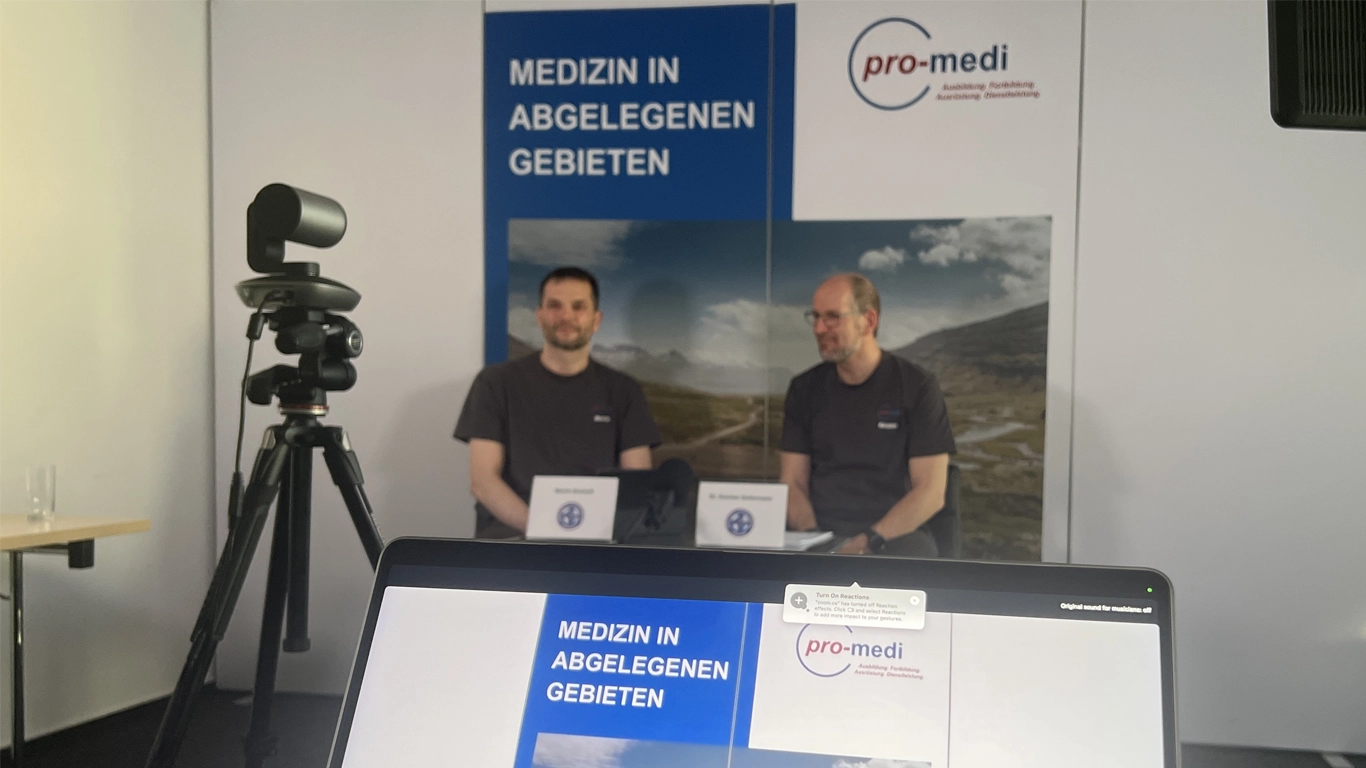
The 2025 RAEM (Remote Area & Expedition Medicine) Conference was broadcast live last weekend, and if you missed it—you missed something big. For those of us who spend time beyond the edge of mobile reception, where the closest clinic might be a week away, this was more than a professional event. It was a practical, life-saving knowledge exchange.
Held in Germany and approved by the Ärztekammer Niedersachsen (granting 10 CME points to eligible attendees), the online conference gathered nine expert speakers and a deeply engaged audience of medical professionals, overlanders, off-roaders, expedition leaders, and outdoor lovers. Whether you travel by foot, bike, or 4×4, across deserts or through dense jungle, this event was built for you.
Here’s why it matters—and why what was shared should be on your radar before your next trip:
Remote travel often means self-reliance. When things go wrong, help is far away. That’s why Harold Steguweit’s session on Dengue fever hit home. Many overlanders still underestimate tropical diseases. Harold broke down how to spot early signs, how to act, and elaborated on some preventative measures. With mosquito-borne diseases on the rise in travel hotspots, this was the kind of grounded, experience-based info that sticks.
If you’re crossing borders, sleeping outside, or shaking hands in remote villages, Dr. Christian Scholber’s talk on current vaccination recommendations was a timely reminder: medicine doesn’t stop at the edge of Europe. The session offered clear updates on what’s essential right now—including some vaccines that even seasoned travellers overlook. For those planning longer routes through Africa, Asia or South America, these recommendations aren’t just guidelines—they’re protection.
A burn in a kitchen is one thing. A burn in the bush, with no clean water and no medical kit? That’s another story entirely. Martin Eickhoff walked us through managing burn injuries in remote regions: what to do, what not to do, and how to reduce long-term damage when you’re hours—or days—from care. The talk focused on using the gear and materials you already have on hand. No theory. Just field-smart action steps.
Vito Berger’s deep dive into sepsis in remote areas was both sobering and empowering. Sepsis kills quickly—but early detection and smart intervention can save lives. Vito gave practical advice on spotting infection signs, using antibiotics correctly, and navigating treatment when transport to a hospital isn’t possible. It was a reminder: every cut, bite, or wound in the field needs your full attention.
If you’ve ever jumped in to help someone abroad—during an accident, disaster, or spontaneous clinic setup—Markus Eckert’s session on legal particularities made one thing clear: good intentions aren’t enough. From local laws and patient consent to cultural sensitivity and personal liability, this was a sharp, necessary talk for anyone doing hands-on help internationally. It’s not about what you do or don’t do—it’s about doing it right.
What happens when someone collapses at altitude, deep in the bush, or far from any road? Sebastian Kernstock’s session on critical care in low and middle-income countries focused on real-world solutions: improvised gear, alternative techniques, and ways to stabilise patients with what’s at hand. For expedition medics and group leaders, it was gold. Even if you’re not a medic, this talk showed what’s possible when things get serious.
Dr. Johannes Schäfer gave a solid breakdown of worm infections on long-distance travel—what to expect, what to avoid, and how to treat them early. For many in the room, it was the first time hearing just how frequent these issues are. This wasn’t fearmongering. It was preparation. If you’re traveling overland through tropical or subtropical regions, this talk will likely change how you pack and how you listen to your own body.
Ebola might sound distant, but Dr. Gisela Schneider’s overview of viral haemorrhagic fevers like Ebola reminded us how fast things can move. Gisela’s experience on the ground was evident, and she connected the dots between international outbreaks and travel medicine. Her key point? Don’t just track where you are—track where others have come from. Knowing how to recognise VHF and respond correctly is essential for anyone involved in medical aid or travel to high-risk regions.
Matthias Schmidberger’s final talk on improvised medicine summed up the day perfectly: You won’t always have what you need. But if you know what you’re doing, you can do a lot with very little. This was hands-on thinking for field situations: making splints, cleaning wounds, stabilising fractures, rehydrating a patient—when you’re out of signal and out of options.
RAEM is about more than medicine. It’s about taking responsibility—for yourself, your crew, and the people you meet along the road. Whether you’re a doctor, expedition leader, hiker, or simply someone who spends time where ambulances don’t go, this knowledge is your edge.
Each speaker brought something different. But the common thread was this: real preparation goes beyond gear. It’s knowing what to do when plans go sideways.
And in a world where more people are pushing further off the grid, where overlanding is growing, and where remote travel is becoming more accessible—this kind of knowledge isn’t optional anymore. It’s essential.
This year’s online event brought together people from all over Europe—and beyond. The Q&A sessions were lively and the shared passion was undeniable. If you’re planning your next big trip, building a vehicle, leading a group, or volunteering abroad, pencil in next year’s RAEM (the date will be published in a separate post as soon as possible)
Until then, stay smart, stay safe—and keep going further.
RAEM CONFERENCE