Newsletter Subscribe
Enter your email address below and subscribe to our newsletter
Sprache wechseln:

Fresh air, the backcountry at night, and a canvas roof overhead. The best recipe for waking up sharp and ready to tackle the world—after a strong mug of coffee, of course.
I’ll pick a tent any day of the week. Ground or rooftop, it doesn’t matter. Weather? Hardly worth worrying about. All I ask is that my fabric abode keeps rain off from above and damp from below. Temperatures can be managed with layers and the right sleeping bag.
My rooftop tent is the most practical when I’m in my own car. My Nordisk Asgard is a spacious single-pole bell tent that’s hosted me, Elisabeth and a dog—but for solo travel it’s too big and demands serious packing space. For super-light trips I turn to the Nordisk Lofoten 2. It’s “two-person” in name only: just enough room for me and a pair of boots. I’ve camped out in all of them, in all seasons.
Still, I wanted a shelter built for solo travel that would
How about a swag? More precisely, how about the ARB Skydome?
The swag began as a simple bedroll—a canvas sheet wrapped around a blanket and a few personal items—carried by itinerant workers moving through the Australian bush in the 19th century. Shearers, drovers, fencers, miners and farmhands packed their lives into a roll slung over the shoulder. They slept where the work was: under Eucalyptus trees, beside stock routes, along rail cuttings. The word itself likely travelled from British thieves’ slang—“swag” meaning loot—to the Antipodes, where it came to mean the traveller’s bundle.
Fun fact: The famous phrase Waltzing Matilda grew directly out of this world. “Waltzing” comes from the old German walzen—to travel or wander—while “Matilda” was bush slang for a swag. To “waltz Matilda” literally meant to roam the backcountry with your swag on your back. The expression surfaced in the late 1880s and gained national fame in 1895 when poet Banjo Paterson wrote lyrics for the song of the same name. His ballad of a wandering swagman became so beloved that Waltzing Matilda is still regarded as Australia’s unofficial national anthem.
Early swags were brutally simple. A waxed or oiled canvas sheet on the ground, a wool blanket or two, maybe a coat pulled over your head when the rain came sideways. No poles, no zips, no insect mesh. They were cheap, heavy and tough—perfect for men on foot or horseback who valued durability over comfort. Through the gold rushes, droughts and the Depression years, swaggies became part of the national folklore: self-reliant, transient, gone at first light.
By the mid-20th century, as vehicles replaced horses and camels on the long runs, the swag evolved. Foam mattresses were stitched in. Zips and storm flaps appeared. Fly-mesh kept the mozzies at bay. The big leap was structural: hoops and short poles turned the flat roll into a “dome” or “hooped” swag, lifting canvas off the face and creating a small, weather-shedding shelter you could still unroll in a minute. Modern swags use tighter-woven ripstop canvas, heavy PVC floors and stronger stitching—built to shrug off grit, rain and UV for years.
I moved into my one-man ARB Skydome in March 2021. I can say without doubt that I slept in it for more than a year straight: blistering summer heat, heavy snow, pan-European travel, one-night stopovers and long lay-ups. One storm stands out. During the 2021 Ahr Valley disaster—when biblical downpours turned the ground into a lake and floods killed more than 180 people—not a single drop made it inside the Skydome. The canvas stayed bone-dry.
More than four years on, the tent has plenty of stories to tell.
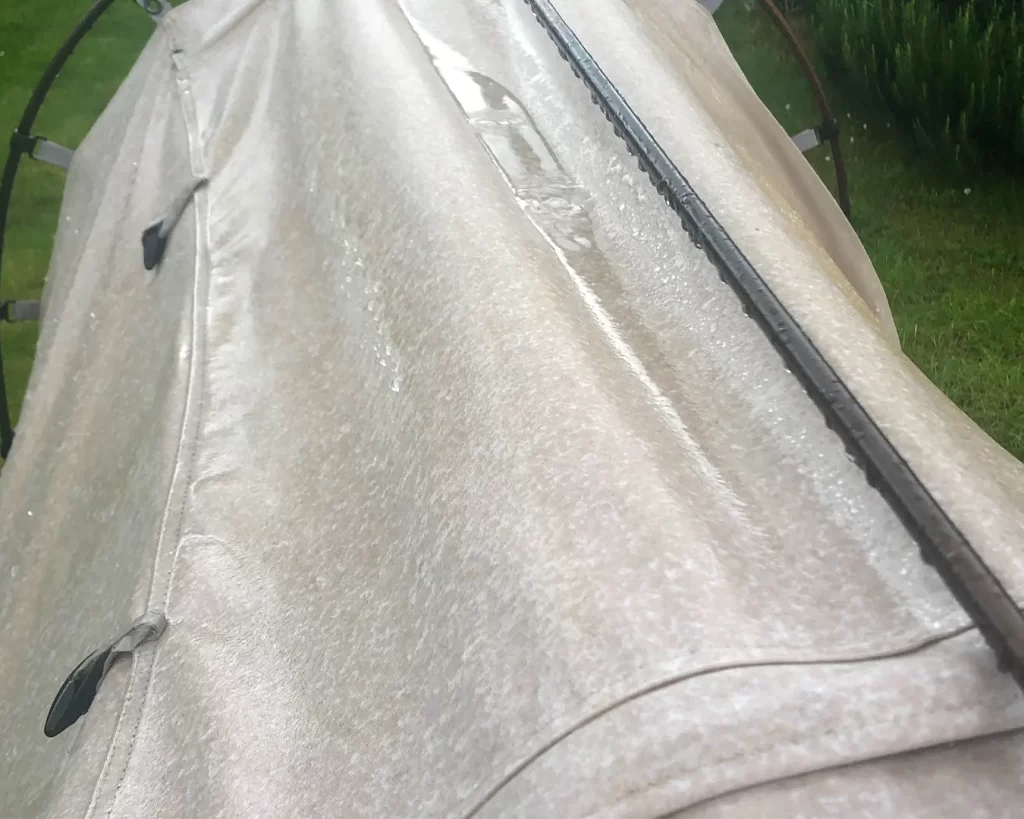
The Skydome is a single-skin canvas shelter with a built-in mattress at its heart. It’s no ultralight—rolled up, it’s a hefty bundle cinched with two strong straps—but set-up is a breeze.
Because I knew I’d spend serious time inside, I added an ARB Stretcher. Game-changer. You get in and out without crawling and gain a dry storage space beneath. There’s even a boot bag to keep muddy footwear out of the sleeping area.
A dedicated swag bag is available, but I’ve managed fine without it. The stretcher bag is large enough to carry it and the boot bag neatly.
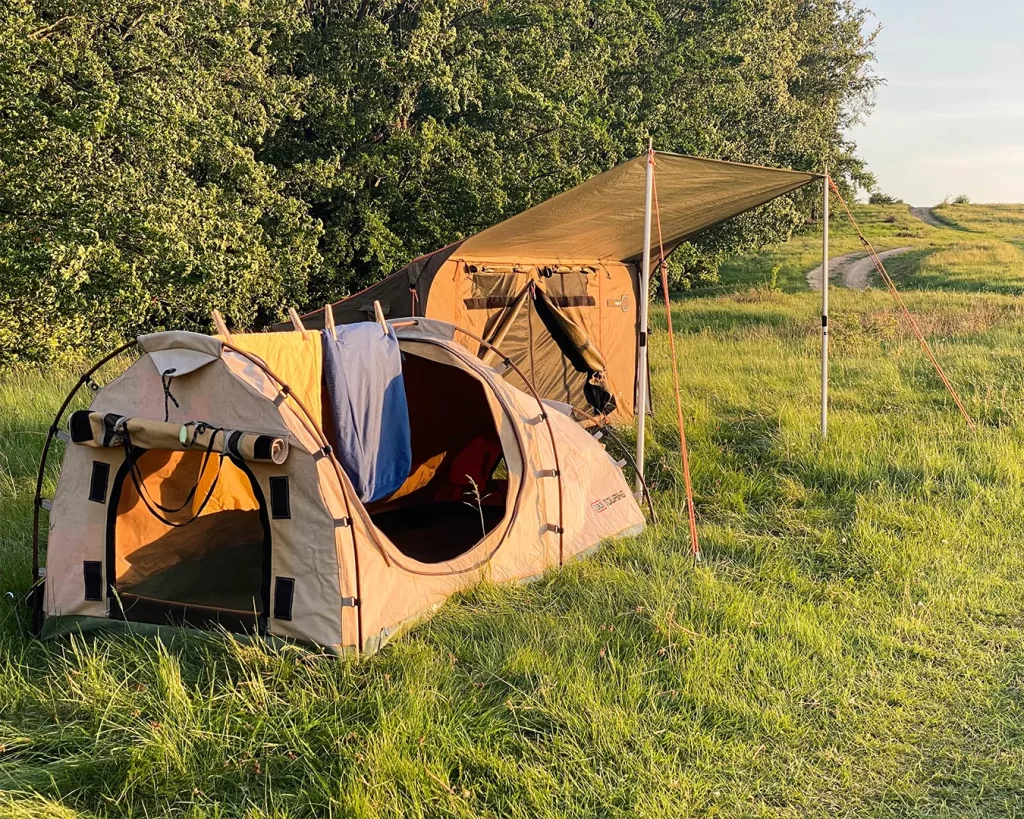
Solo travel demands simplicity. With no mattress to inflate, only a few minutes separate parking the truck from crawling into bed. The Skydome is freestanding—you can skip pegs unless the wind really picks up.
One aspect I really appreciate about this swag—and many others of the same genre—is how well it suits travel in unpredictable weather. Because everything is self-contained, you can set up in pouring rain with a gale blowing, without any of the faff that comes with inner tents and fly sheets.
Inside, there’s ample room to change clothes while lying down and plenty of stash points for phone, keys and a water bottle. Combined with the stretcher, sleeping comfort is close to a real bed—no exaggeration. Climbing out and straight into your boots instead of crawling onto wet mud is pure luxury.
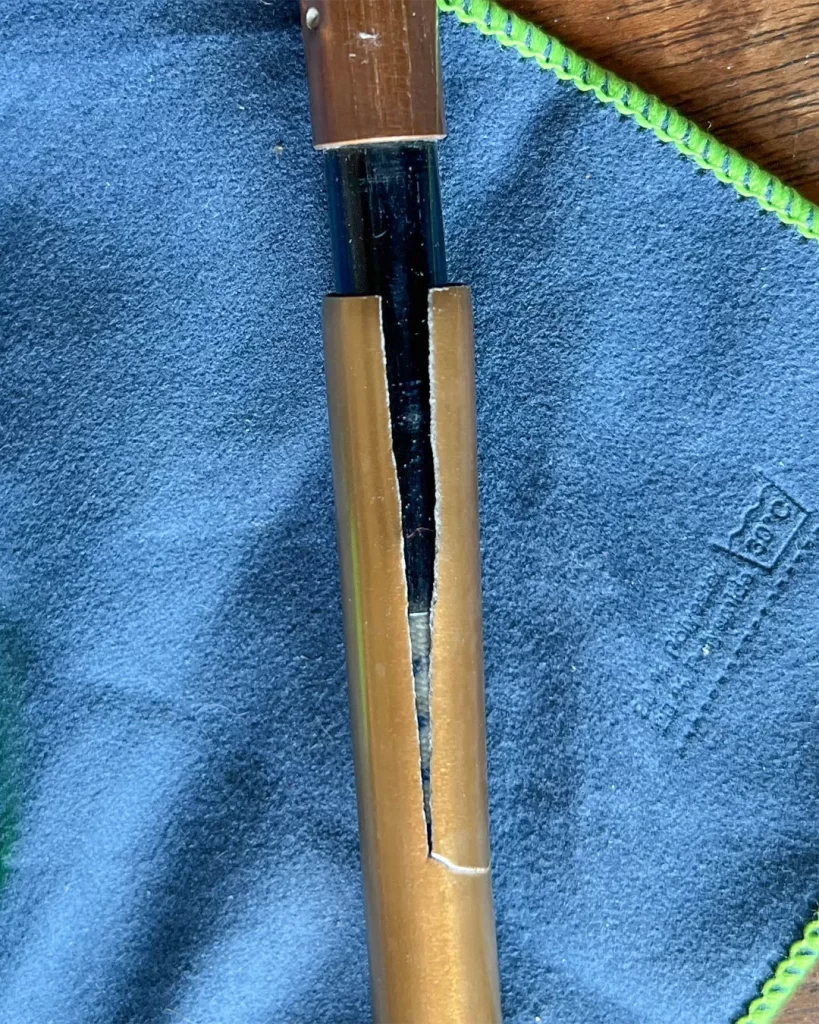
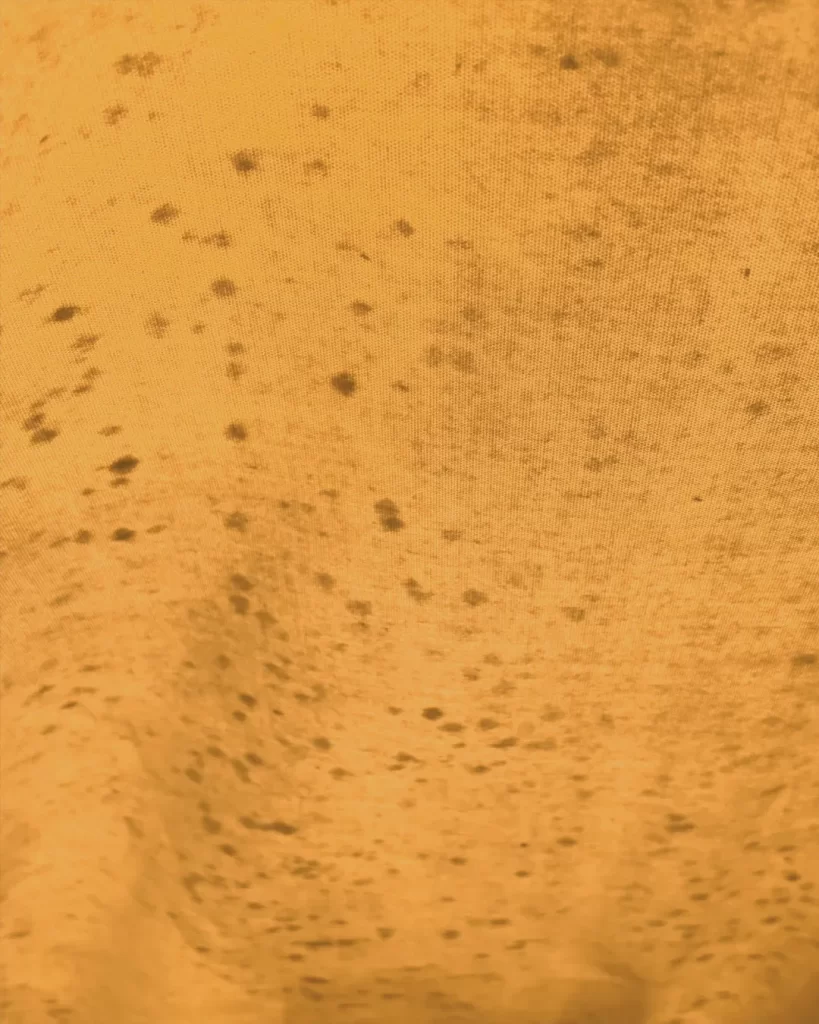
Maintenance has been minimal but not zero. I re-waterproofed the canvas once after scrubbing off tree sap. More troublesome was mould: the Series 1 Skydome lacks roof vents, so condensation builds at the highest point. In warm weather it dries; in cold it lingers and breeds mould. Vinegar washes and a full re-proofing solved it, but it’s a chore and not a one-time fix.
The hoops have taken the worst punishment. All three eventually split at the joints—a mix of stress and UV exposure. Duct tape held them for a while, but after the third failure I’ll need a new set.
Highlights
– Robust outback-grade materials
– True one-person setup and takedown
– Spacious interior for a solo sleeper
– Lie back, unzip the door and watch the stars
– Stretcher compatibility equals home-bed comfort
Headaches
– Series 1 roof lacks vents → condensation and mould risk (fixed in Series 2)
– Large door lets rain blow in during entry/exit
– Hoop tubes weaken over years of heavy use
Modern swags are designed for vehicle-based travel rather than backpacking. They pitch fast, breathe well and seal tight. The trade-off remains the same: extra weight and bulk in exchange for speed and simplicity. After more than four years of heavy use—including over a year of continuous nights—the ARB Skydome has proved its worth.
The Series 1 isn’t flawless: lack of roof vents means you must manage condensation and the poles eventually weaken under UV and stress. Yet these are serviceable issues—mould can be cleaned, canvas re-proofed, poles replaced. The Series 2 adds roof vents, which is a welcome upgrade, but the original still performs to a level most users will never fully test.
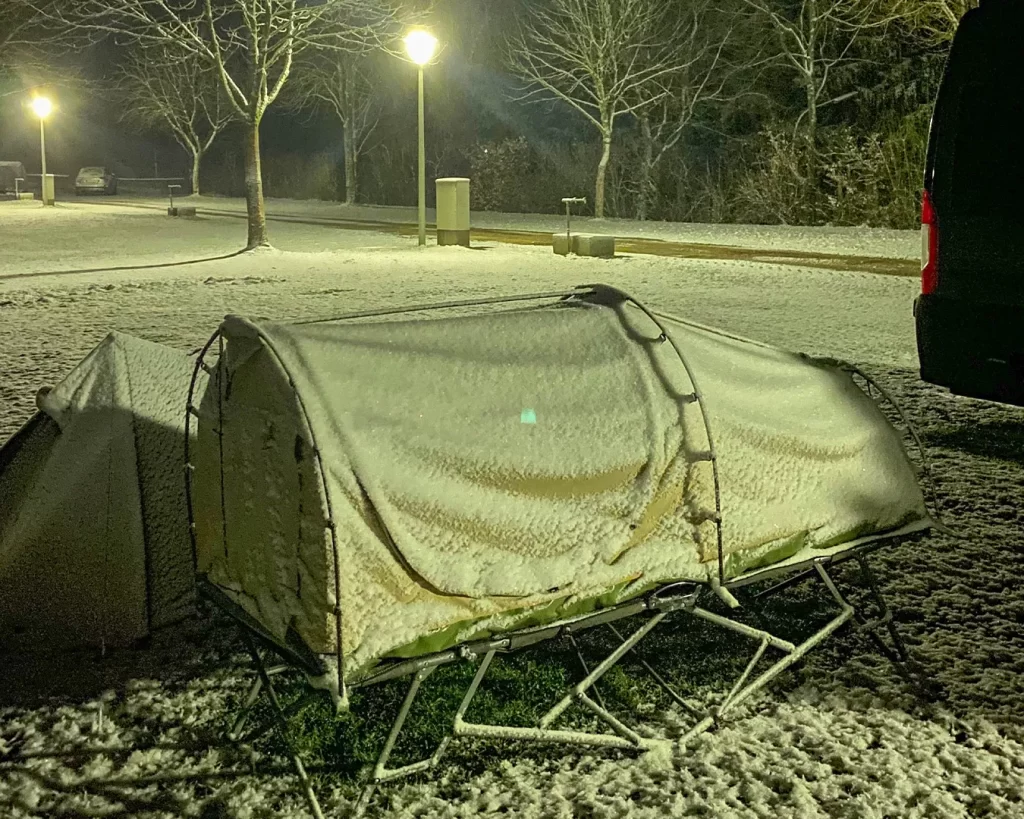
If you can spare the packing space and want a shelter that shrugs off foul weather with minimal fuss, the Skydome remains one of the most robust and comfortable solo options I’ve used—and I own everything from ultralight backpacking tents to full-size bell tents.
Skydome Series 1
Length: 2.150 mm
Width: 900 mm
Height: (head to hip): 800 mm, (foot end) 450 mm
Rolled: approx. 1000 x 450 mm
Weight: 10,5 kg
Materials: Tent: Canvas / Floor: PVC
Stretcher
Length: 2.110 mm
Width: 820 mm
Height: 460 mm
Packed: approx. 1050 x 210 x 210 mm
Weight: 12 kg
Weight rating: 150 kg
Materials: Frame: Steel / Fabric: 600D nylon, padded top